

Lisbon, the capital of Portugal, is one of the most beautiful and cosmopolitan cities in Europe. It is located above a series of hills and near the mouth of the Tagus River and is connected to the sea. Reckless navigators left it in the 15th and 16th centuries to sail the waters to unknown places and new continents and a legacy of gold discovery is at its core and a large part of the city's culture and heritage.
Lisbon is a colorful and vibrant destination, known, among other things, for its warm and relaxed weather. It is blessed with an abundance of historical monuments, in museums at an international level and a host of attractions and points of interest to stop at. When visiting Lisbon, you can explore its narrow streets in the old quarter, stroll along the riverside promenade or wander through its beautiful green parks and gardens. In fact, you can enjoy just like the locals in the city, a very light and pleasant rhythm and an atmosphere like you don't always see in big and lively cities. The locals are hospitable, and the charm of the city cannot be described in words.
Whether you come for two, three days or for a longer period, here is a list of the attractions in Lisbon that are considered must-see attractions. Of course, you don't have to stop at each of them, but you should definitely consider visiting the highlights of them, if only to learn a little more about the city and spend a pleasant vacation there.
Jeronimos Monastery (Mosteiro dos Jeronimos) - This is one of the most beautiful attractions in the city and some call it the highlight of every visit to Lisbon. Jerónimos Monastery is an ancient monastery from the 16th century and one of the great landmarks of Portugal with tremendous historical and cultural significance. Also recognized as a UNESCO World Heritage Site, the monastery was commissioned by King Manuel I in 1501 and built to honor Vasco da Gama's epic journey to India in 1198, where he is also buried.
Castelo de Sao Jorge - In the historic center of Lisbon stands her, and on its highest hill, Sao Jorge Castle, one of the most prominent attractions in the city and perhaps also among the best known in it. Its impressive location, its magnificent structure and the story behind it as well as the long history associated with it make it a destination not to be missed. Beyond the rooms and the design that is hard to ignore, even from a distance, there is also a fascinating museum and an archaeological site that teaches a lot about the castle. All of these combine together into a wonderful experience that is suitable for the whole family and also for children, who especially like to climb over the walls and towers in the place. The story of the castle dates back to the Iron Age, when it was a castle that the Moors defended against the invasion of Christian forces. A palace was built there, the home of kings, the foundations of which are part of the excavations found in the area. Visitors to the castle can enjoy spectacular views from the observation deck, which gives visitors an unusual panorama of the city, the Tagus River, and the distant Atlantic Ocean.
Torre de Belem - It is known as one of the most important and prominent historical monuments (literally) of Lisbon and many tourists usually include a stop there during their visit to the city. Belen Tower is located near the Tagus River and symbolizes Portugal's extraordinary age of discovery during the 16th century. It was built between the years 1515 and 1521 and it represents the high point of decorative Manoline architecture. The facade of the tower is decorated with magnificent nautical motifs, including ropes and various types of weapons, carved in stone. It has been named a UNESCO World Heritage Site and serves as a very important monument in Portugal as a whole. The original reason for its construction was to serve as the main entrance to Lisbon and as part of the river defense system. You can see both the outside and the inside of the tower many influences of art The Moorish, which are reflected in the arches of the windows as well as in the delicate decorations woven into it.
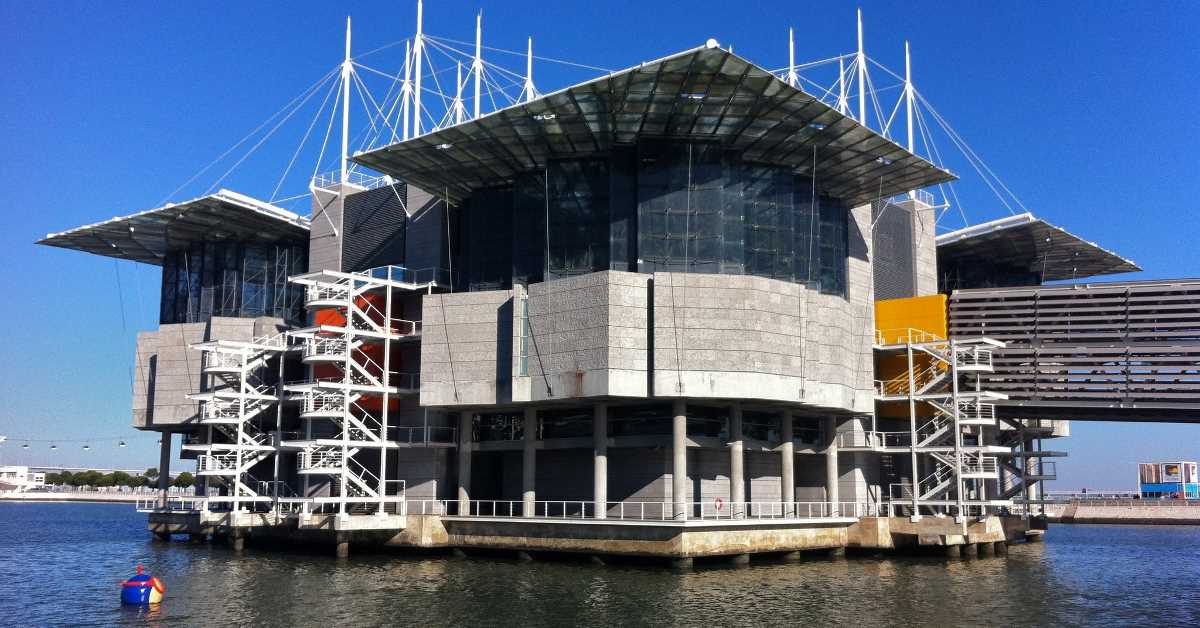
The Aquarium of Lisbon (Oceanario de Lisboa) - This spectacular aquarium is one of the most prominent aquariums in Europe and also among the largest in the world. It is considered a very popular family attraction for those who come to it and it was built in honor of the world exhibition of design Expo 98. This aquarium is home to marine animals of different species and it represents four different types of regions and many habitats, including the Atlantic, Pacific, Indian and Antarctic oceans. In the Antarctic habitat, for example, you can meet lovable penguins and in the Pacific Ocean habitat you will see sea otters up close, which steal the whole show. The venue itself actively promotes the conservation of the world's oceans and has received global praise for its marine environmental awareness campaign.
Santa Justa Elevator (Elevador de Santa Justa) - Here is a wonderful opportunity to see the views of the city from an ancient elevator. The Santa Justa elevator, which has a slightly strange appearance, is designed in a neo-Gothic style and is located in the old part of Lisbon. Since it was built, the elevator has become a very prominent tourist attraction in Lisbon and is the only one that remains vertical. At a height of 32 meters, made of wood and original copper plates for markers, the elevator offers a charming observation, which are an integral part of the city itself. In the summer months, when the city is crowded with a larger number of visitors, you can see long lines at the entrance, so it is advisable, if you come to the city at that time, to take care to get a seat earlier in the day.
Lisbon Cathedral (Sé) - In the Catelo district, not far from the old quarter of Alfama, stands the fortified cathedral of Lisbon, which has undergone quite a few design revolutions since it was built in 1150. A series of severe earthquakes that culminated in a devastating earthquake in 1755 caused destruction, and today what we see is actually A mixture of architectural styles, which are reflected in different parts of it, among them the twin bell towers that adorn the city's skyline and blend wonderfully, at sunset, together with the sky. Inside the cathedral itself you can find interesting ancient finds, including silverware, embroidered vests, statues and also rare illustrated manuscripts. There are also archaeological excavations in the place, which are an attraction in themselves.
Monument to the Discoveries (Padrao dos Descobrimentos) - It's hard not to admire this impressive monument, which is considered a prominent and well-known tourist attraction. The Monument to the Discoveries is an angular monument located above the Tagus River and somewhat reminiscent in its appearance of elements coming from the ships of the Portuguese navigators in the 15th century who set out to explore and discover new continents. The monument was built in 1960 in honor of the 500th anniversary of the death of Henry the Navigator and is a tribute to all those actively involved in the exploration of the continents at that time. On both sides of the monument, the statues of prominent personalities are placed: Vasque da Gama, Fernao de Magellas and Pedro Alves Cabalar. Henry the Navigator himself can be seen in front of the monument. There is an elevator in the monument that will take you to the top of the monument for a view of the river and the surrounding area. This way you can gain an unusual angle on Lisbon and also see a huge mosaic map representing the locations and discovery dates of each new land discovered by the brave and curious.
Carmo Monastery (Igreja do Carmo) – This monastery is one of the oldest churches in Lisbon. The ruins of the Cremo Monastery are the most talked about of all Lisbon's historical monuments. Their characteristic design is Gothic and they are part of a monastery built between 1389 and 1423. This monastery used to be the most respected church in the city, but the morning of Sunday, November 1, 1755, which also happened to be All Saints' Day, changed the whole picture. A devastating earthquake hit the capital of Portugal and the strong tremors destroyed almost most of the building, when hundreds of worshipers that day who were there perished under the parts of the building. The base and skeleton itself survived the inferno, but no additions were made as the church was never rebuilt. Today, visitors to the place can wander in the open space and be impressed by the arches that survived and the like of which are not seen elsewhere. There is no doubt that this is a highly recommended stopping point, which is an important part of the city and also a unique architectural element.
From fruit and vegetable markets to markets that offer various handicrafts and crafts, Lisbon has quite a lot to offer in this area and many who come to it, also usually combine, during their visit, a stop at one (or more) of its markets. If you are looking for a gift or souvenir to bring home or perhaps delicious fruit for a picnic on a pleasant Sunday, you will find exactly what is suitable in these markets.
Mercado Da Ribeira - This market is the largest and most impressive food market in Lisbon and also one of the largest fresh food markets in the city. Although it is located right in the center of the city, it has a very relaxed and pleasant atmosphere and the prices are also not expensive. It is known as a daily market, which offers its visitors fruits, vegetables, fish, meat, chili and other spices and much more, all at affordable prices. It is possible to find most of these products in the neighborhood supermarkets or the big ones, but the quality in the market is much higher and the prices - absolutely unbeatable.
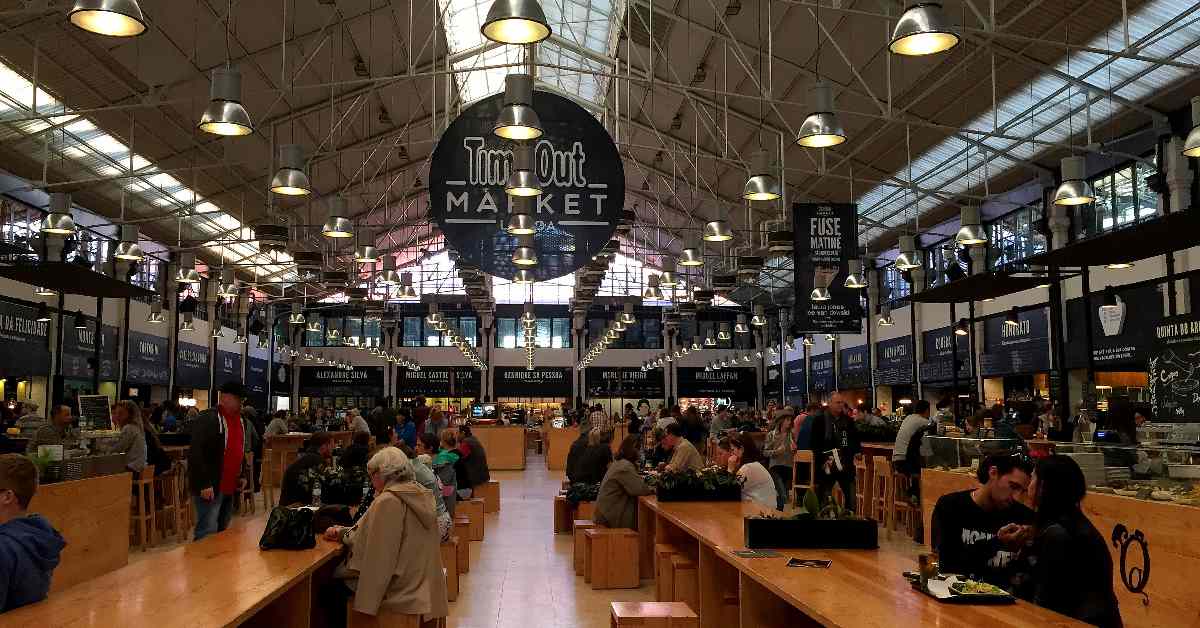
Time Out Market – If you are hungry and feel like trying local food or delicious international food, this market is the right place to stop. This is a huge food hall, which brings together under one roof some of the best bars and restaurants in Lisbon. Many of the most popular restaurants in the city have a stand of their own in this market and thus allow all those interested and curious to taste one dish from the restaurant itself without having to order a whole meal.
Mercado 31 De Janeiro - Although it is one of the few markets in the city, it is definitely known for the selection of fish and seafood that it offers for sale. If you are looking to buy high quality fish, this market is the right place. The restaurants in the market are also worth a stop and you can find good fish, some of the great dishes served on a plate.
Mercado De Campo De Ourique - This relatively modest market is the smaller version of Time Out Market, and similarly offers fresh produce but on a smaller scale. You can try different cuisines, a variety of dishes and in a very pleasant atmosphere together with attractive prices.
Biological Market - Those looking for organic products will find this small and friendly market a place worth stopping for a moment or a few moments. It is open every Saturday from 9 am to 15 pm and attracts vendors from all over Portugal, selling fruits and vegetables, herbs, soaps, olive oil and of course traditional Portuguese cakes and sweets. This market is considered very popular among vegans, vegetarians and among the city's residents who are aware of their health.
Feira Da Ladra - This flea market is one of the oldest markets in the city, and some estimate that it has been active since the 12th century. It is a perfect place to find antiques, old books, coins, furniture, vintage clothes, works of art and in fact - almost anything. It runs on Tuesdays and Saturdays from 6 am to 17 pm at Campo de Santa Clara in Alpama.
LX Factort - is one of the most popular attractions in the city and also the one that attracts not only tourists but also "digital nomads" who spend long hours in the coffee shops in the market itself. In the past this place was an industrial area and today it is a center of attraction for many young people and hipsters. It has co-working spaces, cafes, boutique shops and restaurants and every Sunday there is a charming market, offering second-hand treasures for sale. The market is open from 11 am to 18 pm and on Sundays there is a small fruit and vegetable market that opens at 09:30 am and closes at 16 pm.
Anjos70 - This is the largest craft market in Lisbon and also one of the special markets in the city. Those looking for vintage clothing, artwork, self-made jewelry and other creations will find that this place is the right address. The market is open every first weekend of every month, except in January and August.
Located at 70 Regueirao dos Anjos, and open from 11:00 a.m. to 19:00 p.m.
Lisbon is one of the greenest capitals in Europe and is known for its beautiful pearls. From small parks located right in the center of the city to great gardens that showcase the beauty of nature - the capital of Portugal has some of the most special and impressive parks and gardens. You can escape to them from the hustle and bustle of the lively city and spend a few hours in peace with your friends, family members or even alone.
Jardim Da Estrela - This is a lovely neighborhood park, located within the city itself. It is known mainly by locals, especially families with children, thanks to its duck pond and large play area. It is known for its amazing variety of exotic plants and trees, as well as sculptures by various artists. It also has a cozy cafe, which offers warming drinks and homemade desserts.
Eduardo VII Park - This park is the largest park in the center of Lisbon and is named after the King of Great Britain, Edward II, who came to the city for a state visit in 1903 to strengthen Anglo-Portuguese relations. In the park you can find hiking trails, greenhouses with tropical plants and of course beautiful vegetable patches. The park hosts the Lisbon Book Fair every year, which is an attraction in itself.
Garden of Torel - This beautiful garden, which is partially hidden, has been active since the 19th century and offers a breathtaking view of Lisbon and especially of Liberdade avenue. This is a real hidden gem located on one of the seven historic hills of Lisbon, where already at the main entrance you can see small palaces and a mansion designed by the famous Portuguese architect José Luis Monteiro.
Gulbenkian Gardens - In these gardens, among the most famous in Lisbon, you can find some interesting attractions such as the Center for Modern Art, the Calouste Golbanican Museum and more. Of course, they are also used as a beautiful green spot in the city, but they give a lot of emphasis to the cultural aspect, since they present both sculpture works by local and international artists scattered in its territory and plants of various species. They regularly host art events, such as book readings and even have an open theater.
Monsanto Florestal Park - This is a very large park, which offers its visitors a variety of activities. The sports infrastructure of the park is excellent and it is possible to practice a variety of outdoor activities, including hiking. A variety of events are held in the park, such as concerts, exhibitions, fairs and theater performances and it is divided into a number of protected areas, such as the ecological park, the urban camping park and three other large amusement parks.
 Hebrew
 Arabic
 Chinese (Simplified)
 Dutch
Dutch English
 French
 German
 Hebrew
 Italian
 Portuguese
 Russian
 Spanish